Pure 23kt Leaf · Flake · Dust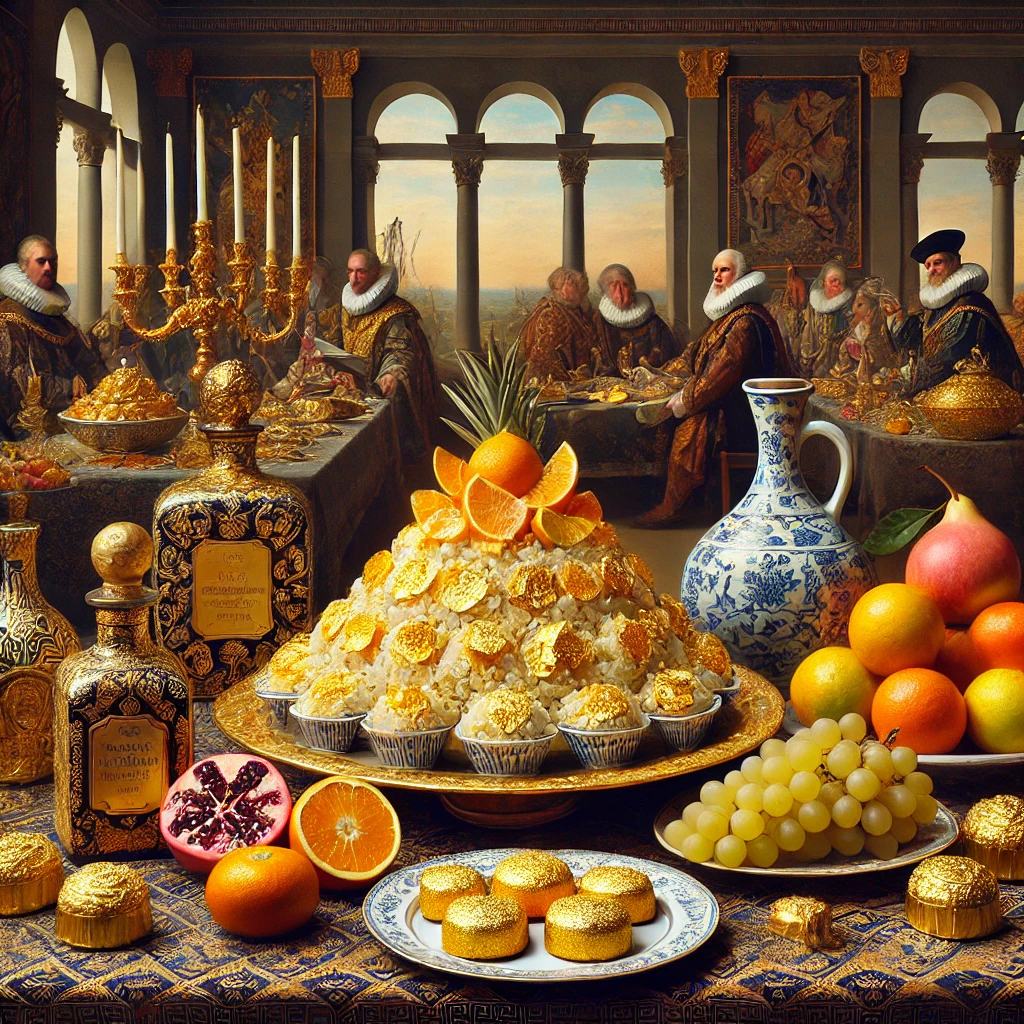
A Precious Metal, Long at the Table
Edible gold has traveled from Renaissance banquets to alchemists' remedies to modern pastry kitchens without ever losing its meaning.
Edible gold has a rich and storied history, spanning centuries and continents, with its use symbolizing wealth, luxury, and sophistication.
European Traditions
In Europe, the tradition of using edible gold dates back to ancient times. During the Renaissance, Italian nobles such as dukes and earls adorned their risottos with edible gold leaves to showcase their wealth and status. A notable recipe from the 16th century, "Risotto d’Oro con Basilica e Parmigiano" (Golden Risotto with Basil and Parmesan), is one of many luxurious dishes that featured this precious metal. This recipe, along with numerous others, is available upon request, demonstrating the enduring allure of culinary gold in Italian cuisine.
Alchemical and Medicinal Uses
In the 15th century, alchemists believed in the medicinal properties of gold. They used gold not only in their quest to turn base metals into noble ones but also for its purported health benefits. Gold was thought to possess the ability to purify and rejuvenate, leading to its inclusion in various remedies aimed at promoting longevity and sustaining heart health. Sweets coated in edible gold were often served during meals to support cardiovascular well-being.
Elizabethan Banquets
The Elizabethan era saw the height of opulent banquets where edible gold dust was liberally sprinkled on an array of fruits, including oranges, grapes, pomegranates, dates, and figs. These sumptuous feasts were designed to impress and demonstrate the host's affluence. The inclusion of edible gold elevated these gatherings, making them unforgettable spectacles of culinary artistry.
Japanese Culinary Practices
In Japan, the tradition of incorporating edible gold into food and beverages has been practiced for centuries. Gold is often added to sake, Japan's renowned rice wine, especially during celebrations and significant events. This practice not only enhances the visual appeal of the drink but also signifies prosperity and good fortune. Japanese cuisine also features gold flakes on confections and dishes, continuing the legacy of this ancient tradition.
Edible gold remains a symbol of luxury and elegance in modern culinary arts, bridging the past with the present in a seamless blend of tradition and innovation. Its historical use across different cultures highlights a shared appreciation for beauty and refinement, making edible gold an enduring element in the world of gourmet cuisine.
“A notable 16th-century recipe, Risotto d'Oro con Basilica e Parmigiano, is one of many gilded dishes still served today.”